Ask what the best tuner cars are, and you’ll most likely hear the same answers from multiple people. There’s merit to many popular tuner car options, such as the Honda Civic, due to the availability of parts and the reliability of the K-Series engine, or the Mk4 Toyota Supra, thanks to the tuning potential of its engine.
- Base Trim Engine
-
4.4L V8 Gas
- Base Trim Transmission
-
6-Speed Automatic
- Base Trim Drivetrain
-
Rear-Wheel Drive
- Base Trim Horsepower
-
469 hp
- Base Trim Torque
-
439 lb-ft @ 3900 rpm
However, if you stray away from the conventional roster of culturally accepted tuner cars, there are many other underappreciated and overlooked cars perfect for tuning and modification.
For this article, we’ve selected cars with impressive tuning potential and arranged them in alphabetical order by manufacturer’s name.
1
Cadillac STS-V
Why It’s A Good Option: Powerful Engine With Extensive Aftermarket Support
|
Engine |
4.4-liter supercharged V8 |
|---|---|
|
Power |
469 hp |
|
Torque |
439 lb-ft |
|
0-60 mph |
4.6 seconds |
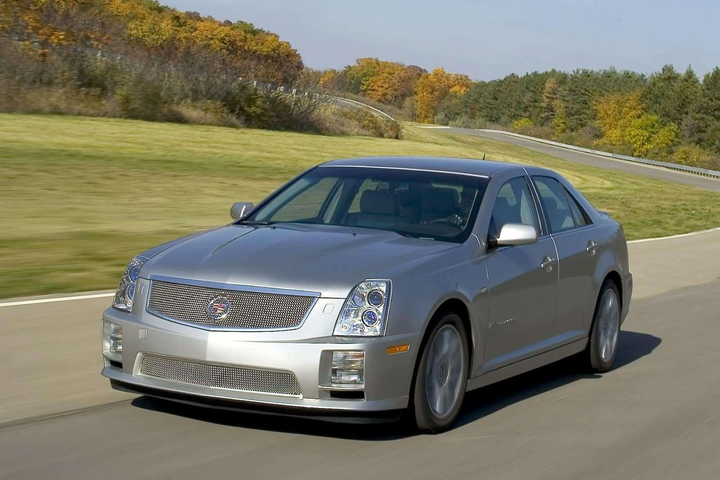
There are several reasons why the Cadillac STS-V is not as popular as others among tuner platforms, and this is largely due to the 4.4-liter Northstar engine, which has a reputation for issues with its head gaskets and head bolts, potentially leading to head gasket problems. Still, while this can become a headache down the line if not addressed early, Cadillac’s forgotten V sedan has the potential to be coaxed to a significantly higher level of performance.
There are several ways to achieve greater performance, including upgraded supercharger pulleys, more aggressive camshafts, stronger valve springs, a fuel pump booster, and a standalone ECU. Beyond those methods, you could also add a new, higher-flow exhaust system, better air intakes, and an upgraded cooling system to culminate in a supercharged American sedan powered by a supercharged V8 likely outputting more than 500 hp.
2
Chevrolet Cobalt SS Turbo
Why It’s A Good Option: An Underappreciated FWD Coupe Powered By A Turbocharged Engine
|
Engine |
2.0-liter turbocharged inline-four |
|---|---|
|
Power |
260 hp @ 5,300 rpm |
|
Torque |
260 lb-ft @ 2,000 rpm |
|
0-60 mph |
5.5 seconds |
The Chevrolet Cobalt SS Turbo is an underappreciated and often forgotten front-wheel-drive performance coupe/sedan that boasts impressive tuning potential. At the core of the Chevy Cobalt SS Turbo is a 2.0-liter turbocharged LNF Ecotec engine, featuring a twin-scroll turbocharger and forged steel engine internals. While these were very popular among tuners in the 2000s, today they can be considered overlooked tuner cars; however, good luck finding one that hasn’t been abused at a reasonable price.
Still, the engine in the Cobalt SS Turbo has the potential to produce more than 300 hp through the addition of larger downpipes, upgraded air intakes, an intercooler, and an ECU tune, which will see to it that the Cobalt SS Turbo’s power either exceeds or starts just shy of 300 hp without incurring any reliability issues. For great power outputs, there is sufficient aftermarket support for the turbocharger system, which can inflate its power output to the mid-300-hp range. In a different configuration, the Cobalt SS held a record at the Nürburgring.
3
Dodge Magnum SRT8
Why It’s A Good Option: A Powerful Hemi V8 Engine In A Striking Wagon
|
Engine |
6.1-liter naturally aspirated V8 |
|---|---|
|
Power |
425 hp @ 6,000 rpm |
|
Torque |
420 lb-ft @ 4,800 rpm |
|
0-60 mph |
5.1 seconds |
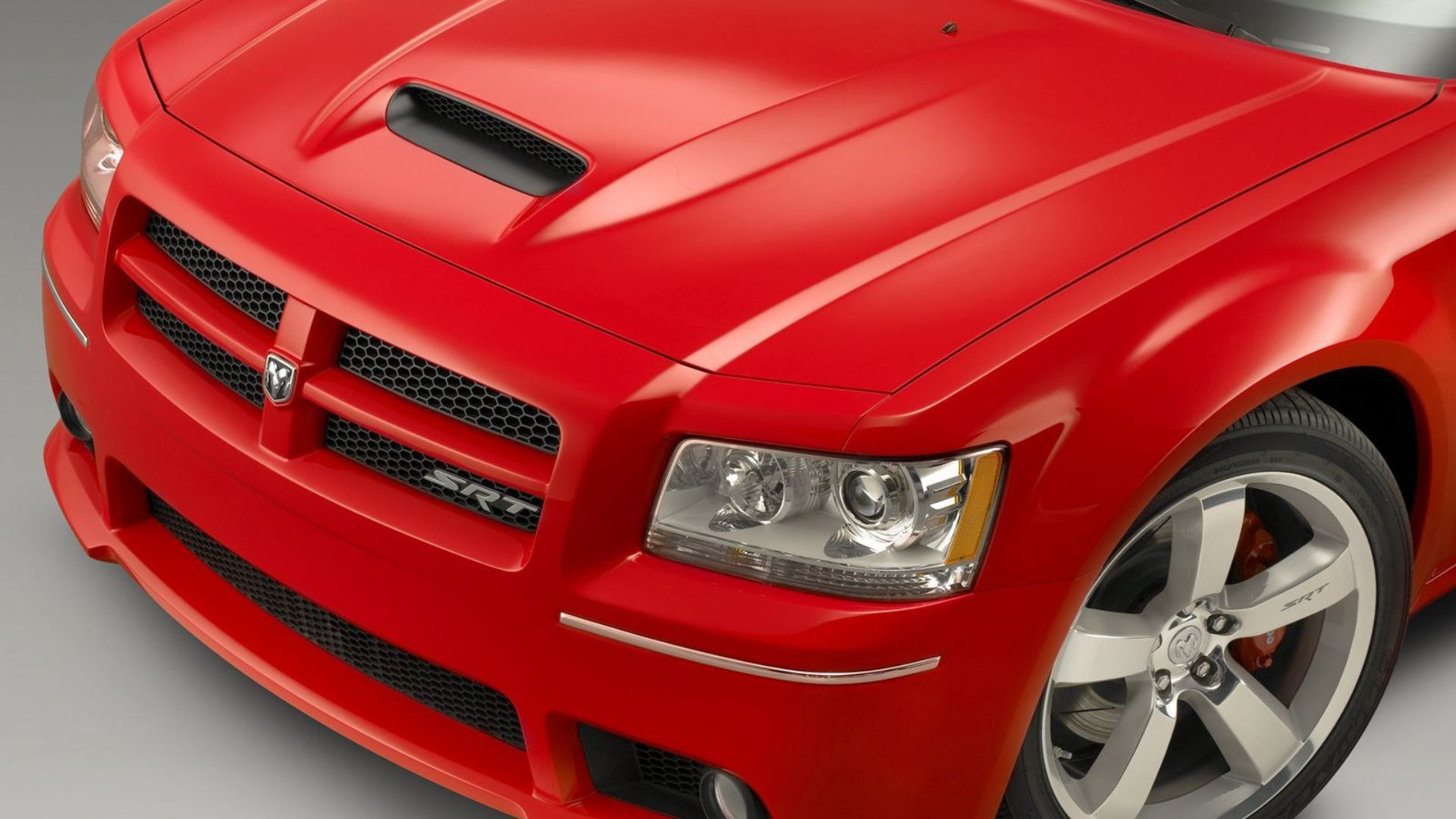
The Dodge Magnum SRT8 is the high-performance offshoot of the Dodge Magnum, distinguished not only by its unique bodywork but also by the 6.1-liter Hemi V8 engine, which outperforms the R/T that ranks just below it. Compared to the other power plants in the Dodge Magnum lineup, the 6.1-liter Hemi features stronger engine internals and has greater potential for enhanced performance through tuning and modifications.
One of the easiest ways to eke out more power closer to that of a Hellcat is by opting for an Edlebrock E-Force supercharger kit alongside a tune, which bumps the SRT8’s output up to the mid-500-hp range. The advantage this engine offers compared to its less powerful stablemates is that it was shared with a Dodge Charger at some point, which has led to the creation of a decent aftermarket support system, with parts and tuning readily available.
4
Ford Taurus SHO
Why It’s A Good Option: A Competent Powertrain With Decent Aftermarket Support And Tuning Potential
|
Engine |
3.5-liter twin-turbocharged V6 |
|---|---|
|
Power |
365 hp @ 5,500 rpm |
|
Torque |
350 lb-ft @ 1,500 rpm |
|
0-60 mph |
6.6 seconds |
The Ford Taurus SHO is the high-performance version of Ford’s Taurus sedan, while its performance potential is obscured by conservative styling. Still, underneath its unassuming exterior lies a 3.5-liter twin-turbocharged V6 engine that sends nearly 370 hp to each wheel due to its all-wheel-drive configuration. The twin-turbocharged V6 is a first-generation EcoBoost engine, which has been used in several Ford models, including the Ford F-150. Interestingly, Ford once produced a V6 engine exclusively for an older version of this high-performance Ford sedan.
To increase power from this engine, many people suggest a simple Gearhead auto-octane, which they claim allows for a performance boost without sacrificing drivability. Beyond that, more power can be extracted through changes like better spark plugs, upgraded MAP sensors, and an improved cooling system. Anything more extreme than that would mean upgraded twin-turbochargers alongside better fuel pumps, and in the most extreme situations, meth injection.
5
Hyundai Genesis Coupe
Why It’s A Good Option: An Affordable Coupe Powered By A V6 With Sufficient Aftermarket Support
|
Engine |
3.8-liter naturally aspirated V6 |
|---|---|
|
Power |
348 hp @ 6,400 rpm |
|
Torque |
295 lb-ft @ 5,100 rpm |
|
0-60 mph |
6.4 seconds |
The Hyundai Genesis coupe is an underappreciated coupe powered by a hefty naturally aspirated V6 engine, which powers its rear axle and is paired with a six-speed manual transmission. In its base form, it’s a commendable coupe, but one with a decent selection of aftermarket options. It’s advised to stick to a naturally aspirated V6 configuration as turbocharging will only incur more issues.
Still, a few bolt-on kits are available that could offer a slight performance increase. Still, typically, you can opt for modifications like an engine leash, improved catch cans, rigid collars, enhanced engine shims, stronger differential bolts, an intake manifold riser, and an ECU, which should be sufficient.
6
Infiniti G37 Coupe
Why It’s A Good Option: Shares Some Components With The Nissan 370Z And Has Extensive Aftermarket Support
|
Engine |
3.7-liter naturally aspirated V6 |
|---|---|
|
Power |
330 hp @ 7,000 rpm |
|
Torque |
270 lb-ft @ 5,200 rpm |
|
0-60 mph |
5.6 seconds |
The Infiniti G37 coupe shares a platform and a few components with the Nissan 370Z, which was the first car to utilize automatic rev matching, albeit the two are intended for different tasks. Still, the Infiniti G37 coupe is an ideal platform for modifications, largely due to its VQ V6 engine, which can be enhanced through the addition of a cold air intake, upgraded long-tube engine headers, and even a turbocharger kit if your sights are set on higher power outputs.
There is the option to also supercharge the VQ engine, with a handful of supercharger kits available. Additionally, other ways to increase the performance of the Infiniti G37 include a larger, free-flowing exhaust system, improved suspension, and lighter wheels to reduce unsprung mass.
7
Pontiac Solstice GXP
Why It’s A Good Option: A Compact Sports Car Powered By An Engine With Sufficient Aftermarket Support
|
Engine |
2.0-liter turbocharged inline-four |
|---|---|
|
Power |
260 hp @ 5,300 rpm |
|
Torque |
260 lb-ft @ 5,300 |
|
0-60 mph |
5.2 seconds |
The Pontiac Solstice GXP is a heavier, albeit more powerful and capable version of Pontiac’s two-door coupe, which debuted in 2006 at the Los Angeles Auto Show. At the time, it employed an engine with the highest specific output in General Motors’ history. Interestingly, it was also the first car to utilize a gasoline direct injection engine from Pontiac, further distinguished by features such as a limited-slip differential, anti-lock brakes, and a revised traction control system.
However, the reason we’re saying that the Pontiac Solstice GXP is a good tuner car is that it shares an engine with the Cobalt SS Turbo, which means the improvements we’ve suggested for the Cobalt SS Turbo also apply to the Pontiac Solstice GXP. Interestingly, the “GXP” moniker was shared with a front-wheel-drive car powered by a 300-hp V8.
8
Saturn Ion Red Line
Why It’s A Good Option: Overlooked, Extremely Affordable, And Surprising Tuning Potential
|
Engine |
2.0-liter supercharged inline-four |
|---|---|
|
Power |
205 hp @ 5,600 rpm |
|
Torque |
200 lb-ft @ 4,400 rpm |
|
0-60 mph |
6 seconds |
The Saturn Ion Redline is an underappreciated sports car with considerable potential to harness more power from its turbocharged 2.0-liter inline-four-cylinder engine. Interestingly, when these cars were in production, General Motors offered performance kits that significantly increased their output, backed by a factory warranty. However, if this is not sufficient, there is ample aftermarket support available for these vehicles.
Some examples of the Saturn Ion Redline have been modified to nearly 400 hp through an upgraded turbocharger system, alongside a handful of bolt-on modifications, such as improved air intakes. Today, there are still a few options available for improved performance, which include extreme measures such as adding a supercharger, more aggressive cams, and larger fuel injectors.
9
Saturn Sky Red Line
Why It’s A Good Option: Similar To Its Red Line Sibling
|
Engine |
2.0-liter turbocharged inline-four |
|---|---|
|
Power |
260 hp @ 5,300 rpm |
|
Torque |
260 lb-ft @ 2,500–5,200 rpm |
|
0-60 mph |
5.2 seconds |
The Saturn Sky Redline is another underappreciated sports car that shares its engine with the Chevrolet Cobalt SS Turbo and Pontiac Solstice GXP. Its engine is paired with a five-speed manual transmission. What made the Redline unique was its limited-slip differential, an improved suspension system, 18-inch wheels, and model-specific bodywork.
The LNF Ecotec engine, as we mentioned, is quite receptive to modifications, with a few tweaks and alterations, such as an ECU tune, an upgraded cooling system, and an improved air intake system. Like the Cobalt SS Turbo, higher power outputs can be achieved through the use of an improved turbocharger, which can coax it well above 300 hp.
10
Subaru Legacy GT
Why It’s A Good Option: Affordable All-Wheel-Drive Offering, Powered By A Boxer Engine
|
Engine |
2.5-liter turbocharged flat-four |
|---|---|
|
Power |
250 hp @ 6,000 rpm |
|
Torque |
250 lb-ft @ 3,600 rpm |
|
0-60 mph |
6.4 seconds |
The Subaru Legacy is an understated sedan equipped with a 2.5-liter turbocharged boxer engine that powers all four wheels. When it was reintroduced to the North American market for the fourth generation, it arrived with a flat-four engine featuring a new turbocharger. This revision allowed the standard Subaru Legacy GT to possess a power output within arm’s reach of the previous generation’s STI model.
For anyone seeking to extract more performance from its engine, there is extensive aftermarket support. The first modification options that come to mind include improving the turbocharger system, the cooling system, and the exhaust, which will increase its power output above 300 hp.
Sources: Grassroots Motorsports, Subimods, MigthyCarMods, JD Power
link