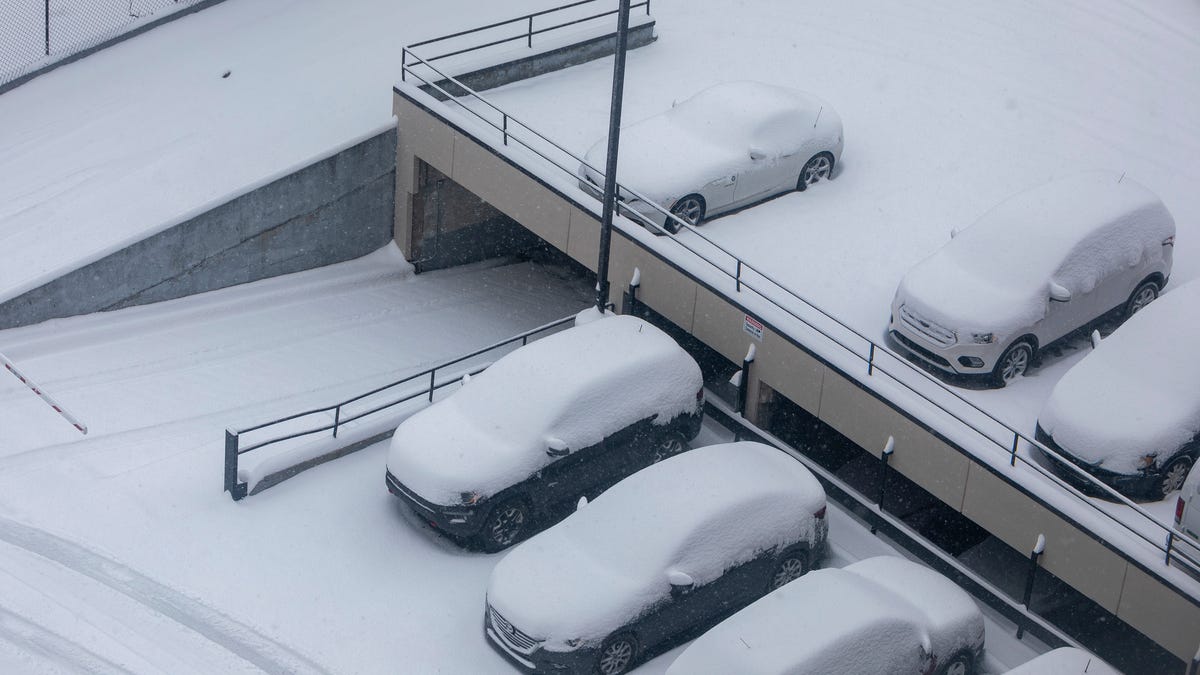


Winter car maintenance checklist for those that drive in the snow
Living and driving in an area with snow? Here are some winter maintenance tips for you.
Winter weather can turn even short drives into stressful experiences. Snow, ice, freezing rain, and bitter cold all take a toll on your vehicle ‒ and on your ability to stay safe on the road. Preparing your car before temperatures drop is one of the best ways to avoid breakdowns, visibility issues, and dangerous driving conditions. From swapping to winter tires to checking your fluids and keeping emergency gear on hand, a little preparation goes a long way.
This guide breaks down the essential winter car maintenance steps every driver should take. Whether you’re dealing with occasional frost or months of heavy snow, these tips will help keep your vehicle running smoothly and safely all season long.
1. Keep snow and ice off your vehicle
If you don’t have a garage or carport, you’ll need to clear frost and snow before driving. Start your car, turn on the defroster, and let it run for a few minutes. Use an ice scraper for stubborn frost. Before a storm, consider a windshield cover ‒ it lets snow pile up on top while keeping the glass underneath clear.
2. Protect and maintain your battery
Cold weather drains car batteries faster and can prevent your engine from starting. Keep jumper cables in your trunk, but also consider a portable jump starter, which lets you revive a dead battery without another vehicle. It’s one of the most useful winter tools you can carry.
3. Prep your tires for freezing temperatures
Cold air lowers tire pressure, so check your PSI regularly and add air as needed. If you live in a snowy or icy region, switching to winter tires improves traction and shortens braking distances.
Rotate your tires every 4,000–8,000 miles (Nokian Tyre’s recommendation) and have them balanced during each rotation to ensure even wear and better performance.
4. Check and refill all fluids
Open your hood and inspect your fluid levels. Coolant protects your engine from freezing, but other fluids ‒ like oil, washer fluid, and transmission fluid ‒ can thicken or absorb moisture in cold weather. Top off anything low and use winter‑grade washer fluid to prevent freezing on the windshield.
5. Inspect and replace your windshield wipers
Visibility is everything in winter. If your wipers streak, skip, or chatter, replace them. Most auto parts stores will install new wipers for free after purchase, or you can swap them yourself ‒ it’s one of the simplest do-it-yourself maintenance tasks. Pair new wipers with winter‑ready washer fluid for the best results.
6. Wash your car but not below freezing
Road salt sticks to your vehicle and can cause corrosion. Regular washes help protect the paint and undercarriage.Erie Insurance advises skipping the wash if temperatures are below 32 degrees, since water can freeze on locks and door handles. Use a wash with a dryer or wipe down the car with a microfiber cloth to prevent freezing.
7. Carry essential emergency gear
Even a well‑maintained car can run into trouble in winter. Keep a first aid kit, seat belt cutter, window breaker, tire iron, and a neon safety vest in your vehicle. In extremely cold climates, an engine block heater can help your car start more easily on frigid mornings.
Keenan Thompson is a car culture reporter for the Detroit Free Press. Contact Keenan at [email protected]. Follow him on Instagram at @keenanautos. To sign up for our autos newsletter. Become a subscriber.
link