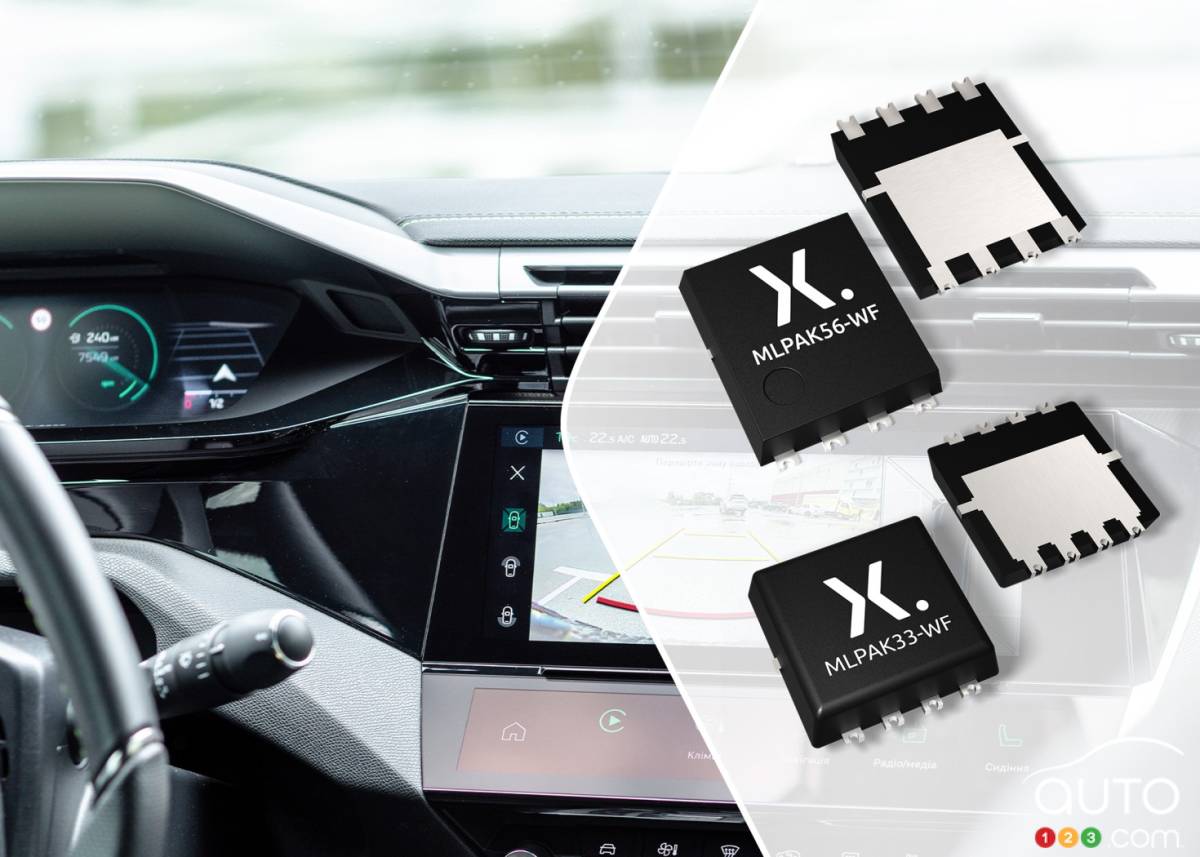
As if the tariff crisis wasn’t enough to disrupt the automotive sector, another conflict now risks creating major waves in the new car market, this one involving China and semiconductors.
Even if its impact is less direct, the new crisis could have devastating effects in the coming months. Dutch company Nexperia has just warned its Japanese and global customers that it cannot guarantee the delivery of its electronic chips in the coming days, due to a trade dispute between China and the Netherlands.
A shock for manufacturers
Why does this news concern vehicle buyers in Canada? Because many Japanese and European vehicles are equipped with crucial electronic components produced by Nexperia. Several major brands, Toyota, Honda, Nissan and Mazda among them, have received the alert from Tokyo. Their associations are already citing “a serious impact on global vehicle production.”
In Canada, where Japanese models are particularly popular, the potential for disruptions is real: if Nexperia chip stocks are not replenished or replaced quickly, assembly could be slowed down as early as this fall, leading to production delays, uncertain deliveries and, inevitably, upward pressure on prices.
The domino effect
And that’s not all: Volkswagen, Mercedes-Benz and BMW are girding for shortages as well. For now, their production lines have not been affected, but uncertainty looms starting next week. The process of certifying and integrating new suppliers, like Infineon or Texas Instruments, takes months, which would cause real delivery problems worldwide, including here.

| Photo: Nexperia
This isn’t the first time a semiconductor crisis has affected the automotive industry. Shortages during the COVID pandemic had disastrous consequences, notably in the form of long waiting lists, vehicles delivered incomplete, limited choices and a rise in used vehicle prices.
This time, the context is even more tense, as the trade war between China, Europe and the U.S. has intensified, blocking any quick compromise. Even inventories located in North America would not be enough to offset the shortage, as the entire global industry depends on Nexperia’s specialization in so-called “commodity” chips—those found under the hood of every new vehicle, both electric and with combustion engines.
In Canada
Here, the shockwave will be invisible at first, then brutal. We can expect delayed orders for some popular models, improvised supply strategies at dealerships and a spike in demand for and prices of used vehicles.
link