
Charging an EV may be easier than you think.
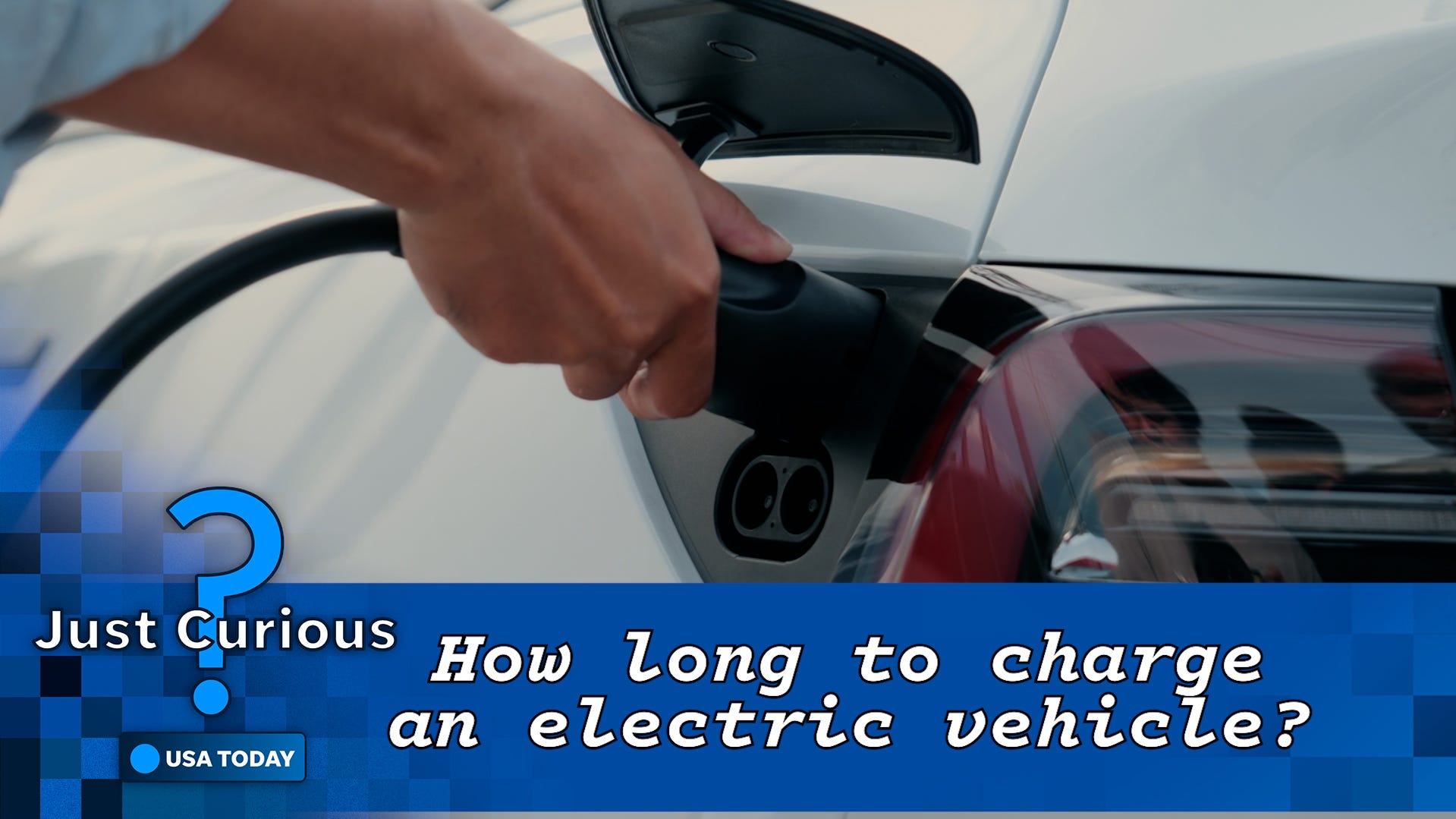

How long does it take to charge an EV? Here’s a complete guide.
How long does it take to charge an electric vehicle? Breaking down the numbers.
- Electric vehicle charging technology has come a long way in the last half-decade.
- Level 3 chargers can get your car back on the road in 20 minutes or less.
- Developing a charging plan and knowledge of the types of charging sessions your lifestyle requires is integral to EV ownership.
Some of the world’s largest automakers including Ford, Hyundai, Honda, Toyota, Volkswagen, BMW and more are producing competitive electric vehicles. Some best-selling EVs like the Tesla Model Y are even outselling popular gas vehicles.
Though EV ownership isn’t always an easy transition, thousands of drivers have made the switch from a gas to an electric car this year. If you’re considering an electric vehicle for a new daily driver, one of the most important factors is charging time.
If you’re looking to make the switch to electric, here’s what you should known about EV charging times.
How long does it take to charge an electric car?
Charging speed depends on a vehicle’s battery size and the wattage of the charger you’re using.
First, it’s important to familiarize yourself with the different types of electric vehicles:
- Battery Electric Vehicles (BEVs): Vehicles that run solely on electricity and are propelled by battery-powered electric motors. They are recharged from external power sources.
- Plug-In Hybrid Electric Vehicles (PHEVs): Battery-powered vehicles that can be recharged from an external power source but also have a smaller internal combustion engine that can recharge the battery. They drive moderate distances only using the battery but can run on gasoline in certain driving conditions or if electricity is not available.
- Hybrid Electric Vehicles (HEVs): Vehicles that run on a combination of an internal combustion engine and a battery pack that cannot be charged from an external source.
- Fuel Cell Electric Vehicles (FCEVs): Vehicles that convert hydrogen into electricity to power an electric motor. They are not recharged from an external source, instead using compressed hydrogen gas stored in a tank on the vehicle.
BEVs and PHEVs are the two types of electric vehicles that can be charged from an external power source, either in your home, workplace, or at a public charging station.
There are three charging speeds for electric vehicles:
- Level 1: Typically seen in residential, 1.2-2.4 kilowatts
- Level 2: Commonly used for home, workplace or public charging, 3.6 to 19.2 kilowatts
- Level 3 Direct Current Fast Charging (DCFC): The fastest charging speed, normally seen at stations along highway corridors, 50 to 350 kilowatts
Level three chargers can recharge an electric vehicle battery up to 80% in 20 minutes to an hour. DCFC chargers slow as the battery gets closer to 100% to prevent damage, so it’s recommended that drivers continue their trip once the battery hits 80%.
Level 1 equipment can fully charge BEVs from zero in about 30-70 hours, and PHEVs in about 8-14 hours. This is the slowest and most inconvenient method of charging for drivers. It’s best for overnight charging to replenish small amounts of your total battery percentage.
It takes about 4-12 hours for BEVs to fully charge using Level 2 equipment, and 2-5 hours for PHEVs. Level 2 chargers are currently the most common and accessible types of chargers for EV drivers. ChargePoint, Tesla and other companies sell Level 2 home chargers that make charging more convenient. Additionally, several automakers provide free charging adapters to incentivize the purchase of a new EV.
link