


Ask to see video of the problem
A common suggestion for avoiding mechanic scams is to ask to see the broken part they want to replace. That’s great if you’re knowledgeable about car repair, but Bennett says most people don’t really know what they’re looking at. “You know, asking to see the part is good, but I’m not necessarily sure that most people would be able to look at it go ‘oh you’re correct! It needs to be replaced.”’
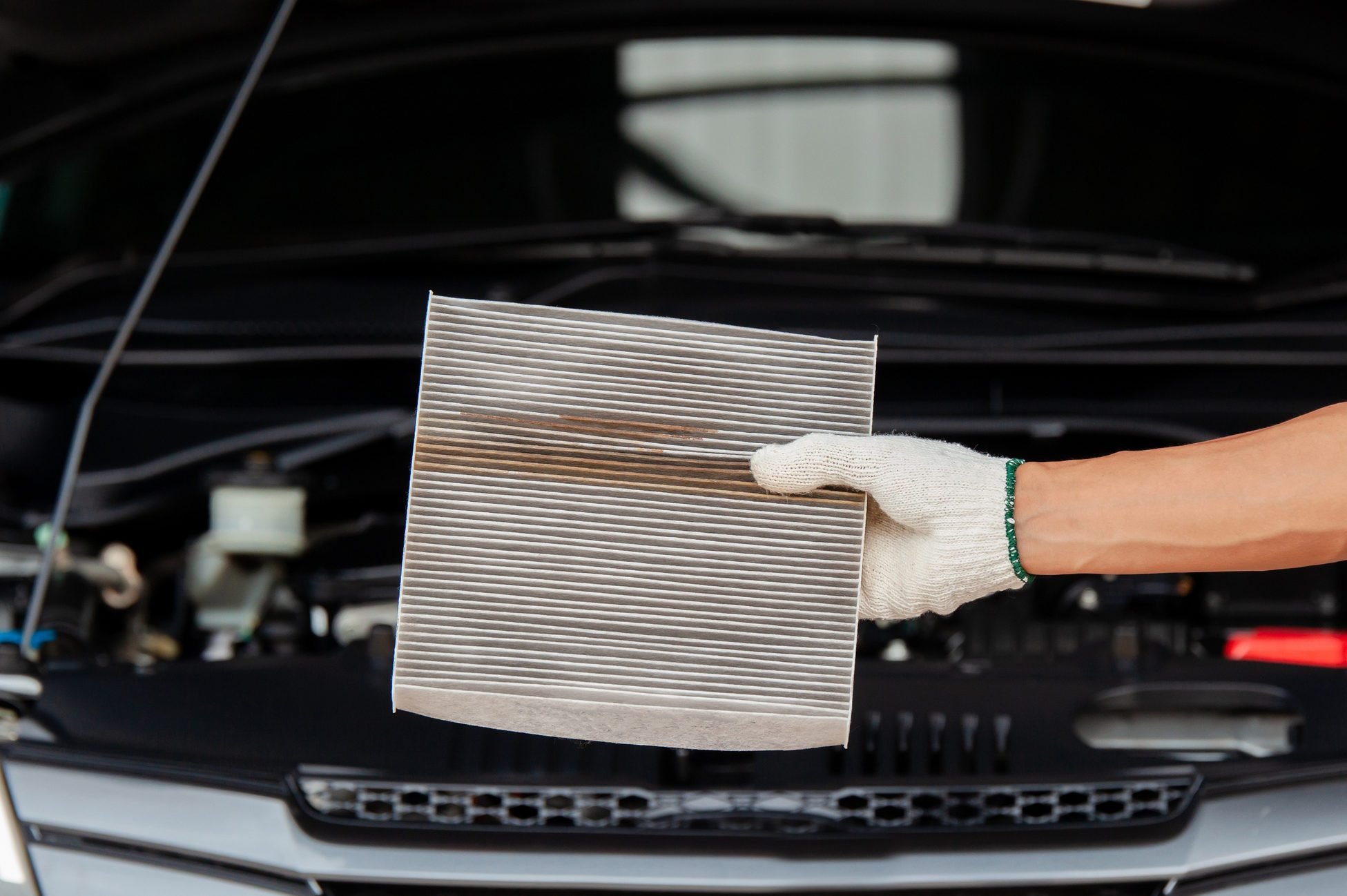
Plus, if an untrustworthy mechanic handed you a dirty air filter, would you even know if it came from your car? You could ask to go back into the garage and watch them remove the filter, but Bennett says video is the wave of the future.
“One of the things that shops are starting to do more and more is take video as they walk around your vehicle,” Bennet says. It’s a great way to not only get a visual representation of what they’re inspecting (and asking you to pay to repair), but getting a video assures you that it’s actually your car that the part came from.

Get a written estimate
To avoid paying for a repair you didn’t authorize, or finding a charge on your bill that you weren’t expecting, “ask for a written estimate that details what exactly is being done, what is the cost of the part and what is the cost of the labor,” Bennett says. Typically, written estimates stipulate that the repair shop cannot exceed 10% of the estimated cost without your written approval.
Bennett gives an example of an air conditioner that isn’t cooling. The shop should charge a diagnostic fee, perhaps one hour of labor, to figure out what’s wrong, then provide a detailed breakdown of what’s needed to fix it. “They should be able to go: ‘okay, you need a new compressor, and we’ll recharge and replace the refrigerant, and your total bill is this.’”
A good repair shop “should be able to get fairly close” to the final tally, Bennett says, and if you have a signed estimate in hand, they have to contact you before proceeding with more repairs than you authorized, or if the total bill will exceed 10% of the estimate.

Ask the technicians questions
People are often intimidated when they take their car in for repairs, but don’t be afraid to ask questions. It’s your car and your money, and a mechanic that blows you off or refuses to answer simple questions about your car sends up all kinds of red flags, and are signs of a bad mechanic.
Let’s say you go into a shop because your brakes are squeaking. The technician takes a look and says you need new brakes. Brake pads have a minimum thickness that’s safe to drive on, typically between 3 and 4 millimeters, so ask what yours measure. They should be able to show you (again, video is a great idea here), and to give you an idea of how long you can go until they’re at the minimum.
“You could straight up ask, ‘Is this something that’s critical, or can I wait a couple of months?’” suggests Bennett. “If they don’t explain to your satisfaction, or you’re getting a bad vibe because they won’t show you the pads or thickness readings, move on to another shop.” (But do it quickly! Brakes are a common repair scam because no one wants to drive around with bad brakes.)
link